A full vehicle wrap covers every visible painted panel of a car or van with adhesive vinyl film, while a partial wrap targets selected zones such as the bonnet, the roof or the rear doors. The choice between the two is rarely a question of taste alone: it determines the budget, the fitting time, the visual impact on the road and, for a company, the advertising value of the vehicle.
The stakes are not marginal. The market for automotive wrap films has been growing steadily for a decade, driven by fleet graphics and colour change projects, as documented in market research on automotive wrap film. In the UK, a full wrap on a passenger car typically represents a budget of 1,500 to 4,000 pounds, whereas a partial wrap can start below 1,000 pounds.
This article details what a full wrap actually includes, how it compares with a partial wrap on coverage and price, what return a business can expect from a fully wrapped vehicle, and the legal points a UK keeper must check before the film goes on.
What a full vehicle wrap actually covers
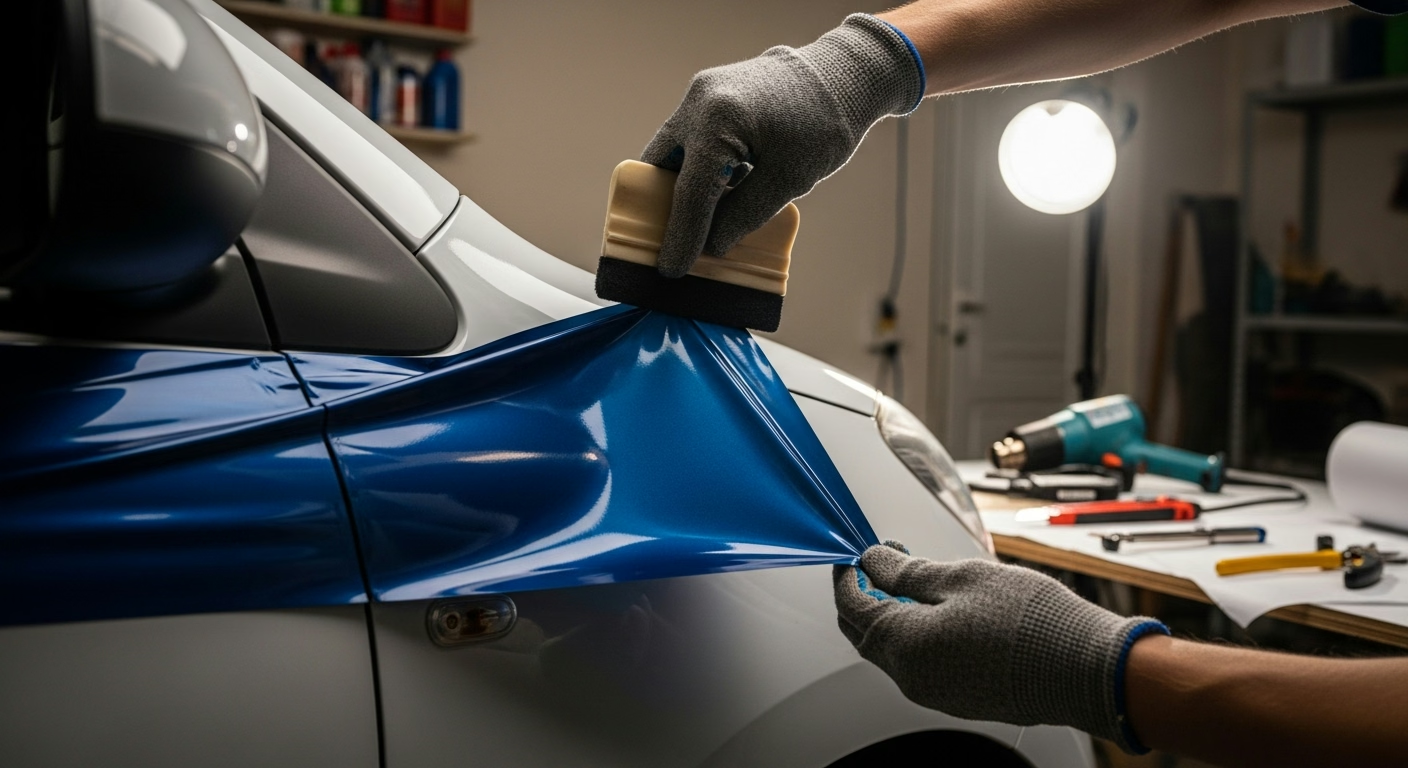
A full wrap, sometimes called full vehicle wrapping or total covering, replaces the visible colour of the vehicle without touching the paint underneath. The film is applied panel by panel: bonnet, roof, wings, doors, bumpers, boot lid and mirror caps. On a professional fitting, the edges are wrapped around the panel and the visible seams are kept to a minimum.
Coverage level still varies between fitters, and a written specification avoids misunderstandings. Three points define the quality of a full wrap:
- Door shuts and panel edges: a premium fitting wraps into the door shuts so that no original colour shows when a door opens; an economy fitting stops at the visible edge.
- Dismantling: mirrors, handles, badges and light clusters are removed before fitting on a high grade job, rather than cut around.
- Film class: conformable cast films follow curves and recesses without tension, while cheaper calendered films suit flat surfaces and shorter lifespans. The distinction between cast and calendered wrap materials drives both price and durability.
Most wrap films are based on plasticised polyvinyl chloride, typically 70 to 100 microns thick, with an acrylic adhesive designed for clean removal.
Full wrap or partial wrap: how the two options compare
The comparison is best made on three criteria: visual coverage, budget and intended duration. A partial wrap is not a lesser version of a full wrap; it is a different tool with its own logic.
Coverage and visual impact
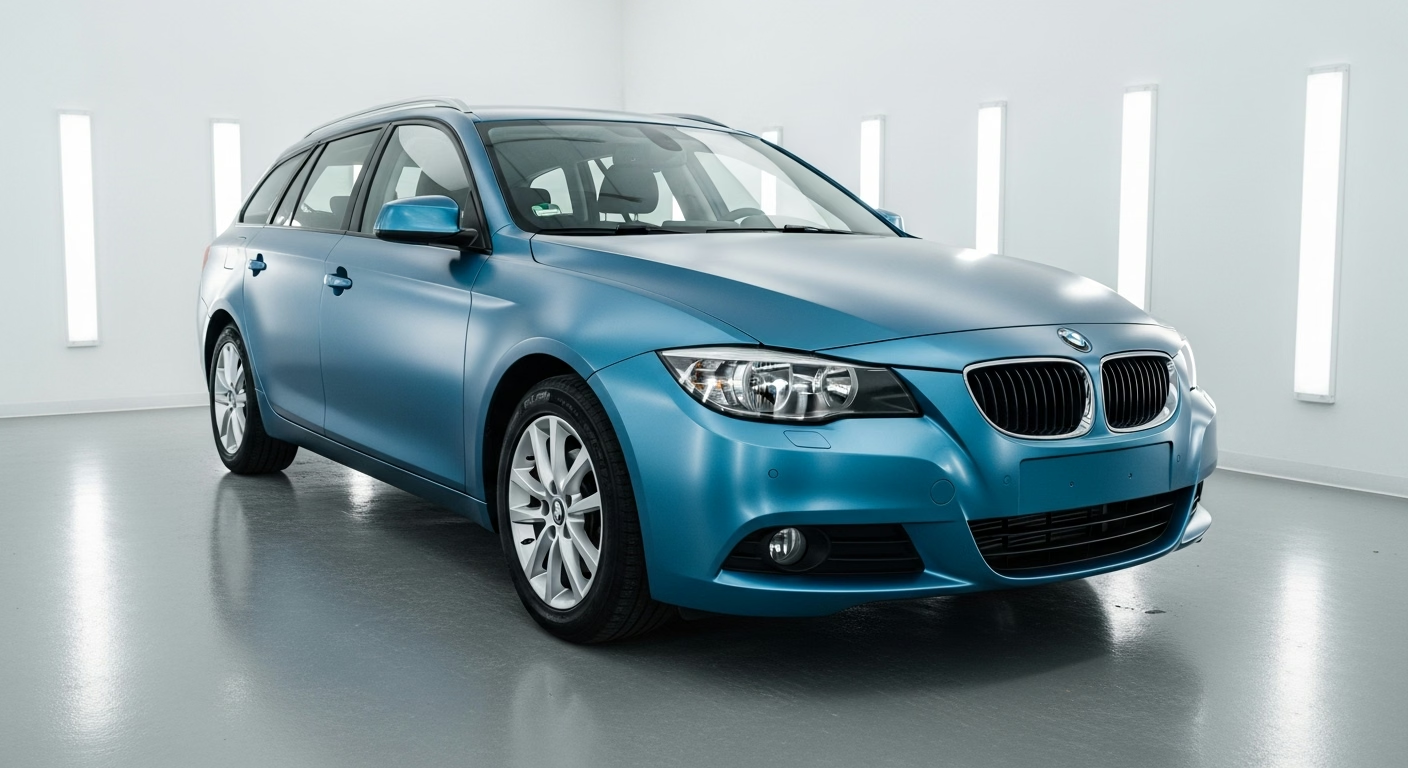
A full wrap changes the identity of the vehicle. The colour change is total, which is why it is the standard option for colour change projects, for premium finishes such as satin, matte or metallic, and for liveries that need to work from every angle. The complete range of wrap colours and finishes is available at this coverage level, including textured and colour shift films.
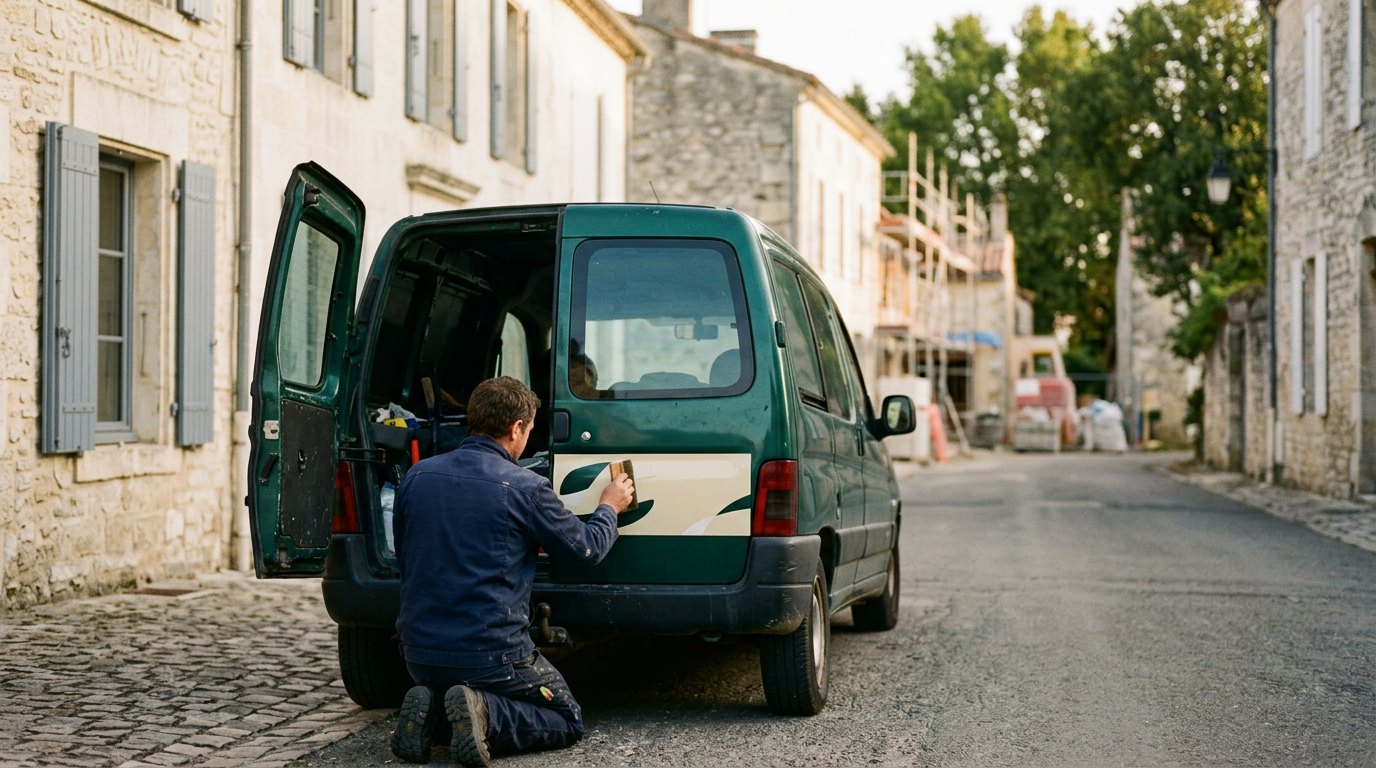
A partial wrap concentrates the message or the styling effect on a fraction of the bodywork. Common configurations include a wrapped bonnet and roof for styling, a rear half wrap for fleet graphics, or door panels carrying contact details. On a light commercial vehicle, a well designed partial wrap placed on the rear and side surfaces captures a large share of the visibility of a full livery at a fraction of the cost.
When a partial wrap makes more sense
Several situations favour the partial option. A short campaign or a seasonal offer does not justify wrapping every panel. A leased vehicle close to its return date needs a solution that can be removed quickly. A tight budget spread across a large fleet often produces more total visibility with thirty partial wraps than with ten full ones. Finally, a vehicle with fragile or repaired paintwork is a poor candidate for full coverage, because removal can lift weak paint.
The full wrap keeps the advantage whenever the base colour must disappear, when the design uses the whole surface, or when the film also serves as protection for the original paint on a vehicle intended for resale.
What a full vehicle wrap costs in the UK
Prices vary with vehicle size, film class, finish and the level of dismantling included. The ranges commonly observed on the UK market are consistent across fitters:
- Compact car or small saloon: roughly 1,200 to 2,000 pounds for a full wrap in a standard gloss or matte film.
- Large saloon, estate or SUV: roughly 2,000 to 3,500 pounds, more for complex bodywork or premium films.
- Light commercial van: roughly 1,800 to 3,000 pounds depending on wheelbase and roof height.
- Partial wrap: roughly 500 to 1,500 pounds depending on the zones covered and the design.
Speciality finishes such as chrome, colour shift or textured films sit above these ranges, both for material cost and fitting time. Printed liveries add design and print costs to the film itself. A detailed breakdown of the factors behind these figures is available in this guide to what a vehicle wrap costs.
Two budget rules help at decision stage. First, the fitting labour represents a large share of the invoice, so halving the covered surface does not halve the price. Second, a very low quote usually signals a calendered film or a fitting without dismantling, which shortens the lifespan and degrades the finish on curved panels.
The advertising ROI of a fully wrapped vehicle
For a business, a wrapped vehicle is an advertising medium that works every time the vehicle moves or parks in view. The practice, known as wrap advertising, belongs to the wider family of out-of-home advertising, with one structural difference: the medium is already owned. Once the wrap is paid for, there is no monthly rental as with billboards, so the cost of the medium is spread over the full life of the film.
The arithmetic favours long use. A full livery at 2,500 pounds kept for five years costs around 500 pounds a year, before any residual protection value of the film. A vehicle operating daily in urban areas exposes the message to a very large cumulative audience over that period, which is why cost per contact figures quoted for vehicle graphics are typically low compared with rented media. Exact impression counts depend on routes and traffic, and any figure should be treated as an estimate rather than a guarantee.
Coverage level changes the return profile. A full wrap maximises impact and brand presence, which suits vehicles that represent the company at client sites. A partial wrap lowers the entry cost per vehicle, which suits large fleets where the priority is the number of moving messages. The specific case of commercial vehicle wraps for fleets is covered in a dedicated guide.
Fitting, lifespan and upkeep
A full wrap on a passenger car takes two to four days in a professional workshop, including preparation, dismantling, fitting and post-heating of the stressed zones. The vehicle must arrive with clean, sound paintwork: adhesion depends on the surface state, and defects remain visible under a gloss film.
In daily use, a cast film lasts five to seven years before showing wear; a calendered film rarely exceeds three to four years outdoors. The dominant ageing factor is ultraviolet exposure, which explains why sheltered parking extends film life by a wide margin, and why horizontal panels age first. A detailed review of these factors is available in this article on how long a vehicle wrap lasts.
Upkeep remains simple: hand washing or low pressure washing, no abrasive polish, and prompt removal of fuel spills or bird droppings. At end of life, a professional removal restores the original colour and, on sound factory paint, leaves the surface intact.
Legal and administrative points in the UK
A colour change has administrative consequences. When a wrap changes the main colour of the vehicle, the keeper must update the V5C registration certificate, as described in the official guidance on changing vehicle details on the registration certificate. The procedure for telling the DVLA goes through the logbook. Stripes, decals or a wrapped roof alone do not require notification.
The insurer must also be informed. A wrap counts as a modification, and UK motoring organisations recommend declaring it before fitting: the guidance published by the AA on car modifications and the RAC legal advice pages both cover the point. An undeclared modification can complicate a claim even when it did not cause the loss.
The wrap itself must respect the general rules applicable to bodywork. The Road Vehicles (Construction and Use) Regulations 1986 frame what a road vehicle may carry on its exterior, and reflective or mirror finishes can raise questions at inspection. A wrapped vehicle passes the MOT test normally, provided lights, glazing and registration plates remain unobstructed and legible.
Further reading
The choice between full and partial coverage often comes down to a fleet decision rather than a single vehicle decision. Brands & Markets works with companies and manufacturers on exactly this arbitration, from a single liveried van to a complete range animation. For partial graphics, the dedicated page on vehicle lettering and decals details the options for door panels, rear surfaces and cut lettering.
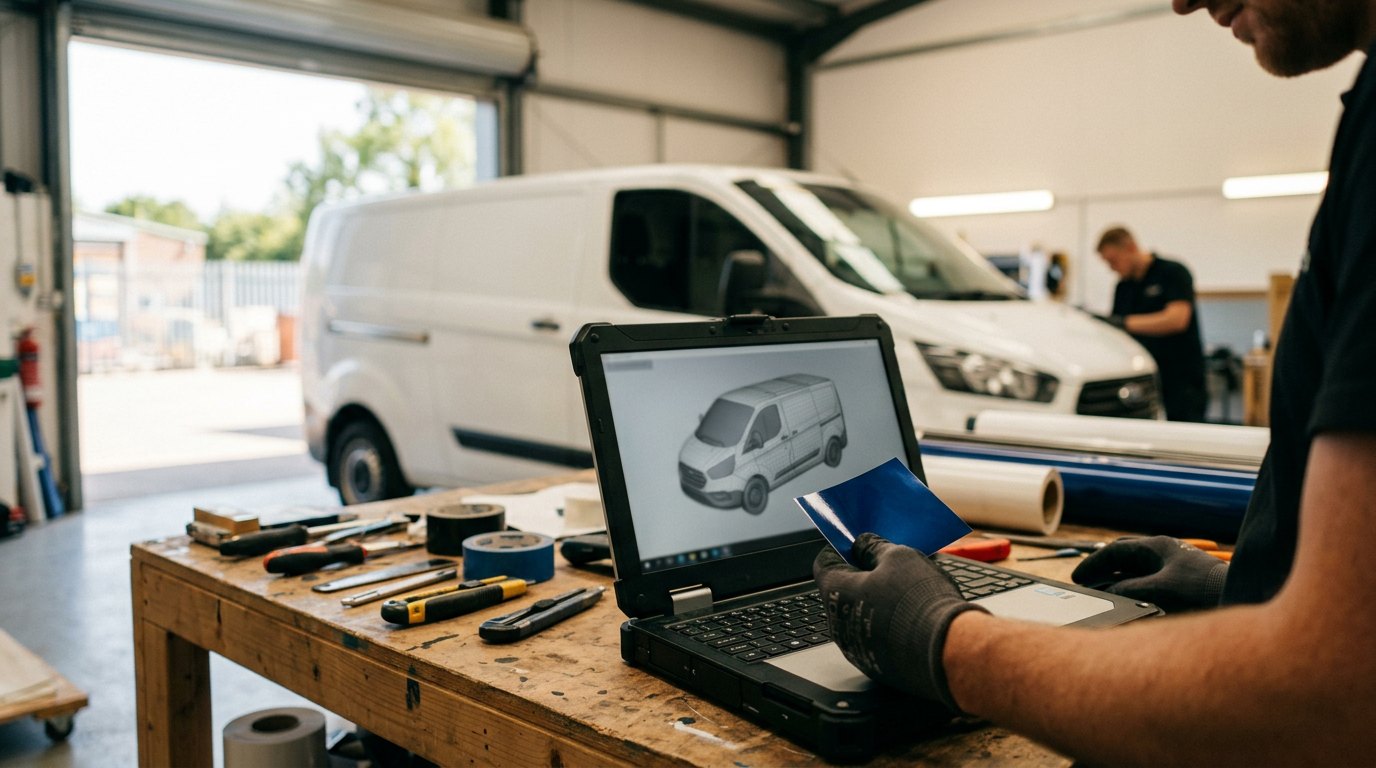
For a structured project involving several vehicles, the online configurator produces a visual simulation and a first budget estimate in a few steps, which shortens the discussion between the fleet manager and the fitter.
Conclusion
A full vehicle wrap is the right tool when the base colour must change entirely, when the design uses the whole surface, or when the film doubles as paint protection on a vehicle intended for resale. A partial wrap is the right tool for shorter campaigns, tighter budgets and large fleets where the number of wrapped vehicles matters more than the coverage of each one.
The decision therefore starts with the objective, not with the film: identity change or message placement, single vehicle or fleet, two years or seven. With that framing, the budget ranges and the legal steps described above turn the project into a sequence of verifiable choices, from the written fitting specification to the V5C update.
Key takeaways
- A full wrap covers every visible painted panel; a partial wrap targets selected zones such as the bonnet, roof or rear doors.
- In the UK, a full wrap on a passenger car typically costs 1,500 to 4,000 pounds; a partial wrap runs from about 500 to 1,500 pounds.
- Cast films fitted professionally last five to seven years; calendered films rarely exceed three to four years outdoors.
- A fully wrapped vehicle is an owned advertising medium: spread over five years, a 2,500 pound livery costs around 500 pounds a year.
- A colour change wrap requires a V5C update with the DVLA and a declaration to the insurer; partial elements do not.
- Fitting quality is defined by wrapped door shuts, dismantled fittings and the film class, not by the film colour.
Frequently asked questions
How much does it cost to wrap a car fully in the UK?
A full vehicle wrap on a passenger car generally costs between 1,500 and 4,000 pounds in the UK. Compact cars in a standard gloss or matte film sit at the lower end, around 1,200 to 2,000 pounds, while large saloons, estates and SUVs range from 2,000 to 3,500 pounds. Light commercial vans typically fall between 1,800 and 3,000 pounds depending on size. Speciality finishes such as chrome, colour shift or textured films, printed liveries and fittings that include full dismantling push the invoice above these ranges. Quotes well below market level usually indicate a calendered film or a fitting without dismantling, which shortens the lifespan of the result.
How long does a full vehicle wrap last?
A full wrap in professional cast vinyl lasts five to seven years in daily use before showing visible wear. Calendered films, which cost less, rarely exceed three to four years outdoors. The main ageing factor is ultraviolet exposure, so a vehicle parked under shelter keeps its film noticeably longer, while horizontal panels such as the bonnet and roof age first. Regular hand washing, the absence of abrasive polishing and prompt removal of aggressive deposits extend the useful life. A preventive removal before the film degrades protects the paint underneath and keeps the removal clean.
Is a full wrap cheaper than a respray?
In most cases a full wrap costs less than a respray of comparable quality, and the difference widens once preparation and paint finishing are included in the respray quote. The wrap adds two advantages that a respray cannot offer: it is reversible, and it protects the original paintwork during its life. For a vehicle intended for resale, returning to the factory colour after removal preserves value in a way a colour change respray does not. A respray remains the better option when the paint itself is damaged, since a film needs a sound surface to adhere correctly.
Does a full vehicle wrap damage the paint?
On sound factory paintwork, a wrap fitted and removed professionally does not damage the paint; the film actually shields it from stone chips, light scratches and ultraviolet fading. The risk concentrates on vehicles with previous repairs, touched up areas, stone chips or rust: on these zones the adhesive can grip more strongly than the paint holds to the panel, and removal can lift material. A serious fitter inspects the bodywork before quoting and documents any fragile area. Removal within the recommended film life, using heat and proper technique, keeps the operation clean.
Does the DVLA need to know about a full colour change wrap?
Yes. When a wrap changes the main colour of the vehicle, the keeper must record the new colour on the V5C registration certificate and send the update to the DVLA. The rule applies to vinyl colour changes as well as paint. Partial elements such as stripes, decals, a wrapped roof or bonnet do not require notification as long as the main colour of the vehicle remains the same. The insurer, on the other hand, should be informed of any wrap, full or partial, because it counts as a modification to the vehicle whatever the surface covered.